
hearing aids
What Nobody Tells You About Buying a Hearing Aid (And Where to Get Real Answers)
Most people spend months confused before buying their first hearing aid. Here's what the industry doesn't tell you — and where to find honest answers.
Expert articles on hearing loss, hearing aids, costs, and care — written for people making real decisions.
Most people spend months confused before buying their first hearing aid. Here's what the industry doesn't tell you — and where to find honest answers.

We asked five practicing audiologists the questions patients never think to ask. Their candid answers might change how you approach your hearing health.

Over-the-counter hearing aids are cheaper and easier to get — but are they the right choice for older adults? An honest comparison of OTC and prescription devices for people 65 and older.

Choosing a hearing aid at 70 or older involves different priorities than at 50. Dexterity, cognitive load, battery handling, and caregiver involvement all shape which devices work best — and which ones end up in a drawer.

Hearing aids can cost $3,000 to $7,000 per pair — more than many people's monthly income. The reasons are more complicated than simple greed, but that doesn't mean consumers are powerless. Here's what's actually driving the price, and what you can do about it.

Hearing aid refusal is one of the most common and frustrating challenges adult children face with aging parents. Understanding why it happens — and what actually works — can make the difference between a device that helps and one that sits in a drawer.

A new World Health Organization analysis finds that recreational noise exposure from personal audio devices and entertainment venues remains the fastest-growing cause of preventable hearing loss globally — and that most at-risk individuals are unaware of the danger.

Research now shows that untreated hearing loss is one of the largest modifiable risk factors for dementia — and that treating it may slow cognitive decline. Here's what the science says and what it means for caregivers.

Arthritis, tremor, and reduced grip strength make many hearing aids nearly impossible to use. Here's how to choose a device that's actually manageable — and the features that make the biggest difference for seniors with dexterity challenges.
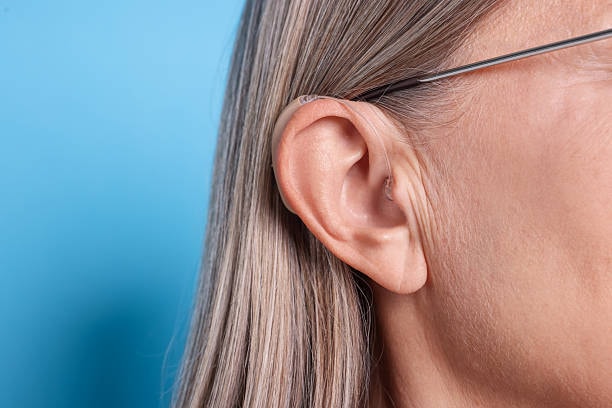
New market data shows the over-the-counter hearing aid segment has grown faster than analysts projected following the FDA's 2022 rule change. Major consumer electronics brands are accelerating product development as prescription hearing aid makers respond with their own direct-to-consumer offerings.

Many older adults mention hearing concerns to their doctor and leave without a referral or next steps. Here's how to have a more productive conversation — and what to ask for.

An audiogram is the most important document in your hearing health journey — but most patients leave their appointment without fully understanding what the graph means. This guide walks through every element of a standard audiogram and explains what your results actually tell you.

Widex and Phonak represent opposite ends of the hearing aid philosophy spectrum. Widex is the audiophile's choice; Phonak dominates speech-in-noise performance. We break down every key difference to help you decide.

Oticon's BrainHearing philosophy and Signia's Own Voice Processing take fundamentally different approaches to natural sound. Here's how they compare on sound quality, tinnitus management, and who each brand is best suited for.

Medicaid hearing aid coverage varies dramatically by state — some states cover two hearing aids every three years, others provide no adult benefit at all. Here's what's covered in your state and how to access your benefits.

Private insurance hearing aid coverage is inconsistent and often misunderstood. We explain what employer-sponsored plans typically cover, how third-party hearing benefit administrators work, and how to appeal a denial.

Short battery life, batteries that die immediately after insertion, rechargeable aids that no longer last the day — battery problems are among the most common hearing aid complaints. Most have simple fixes once you know the cause.

Sweat, humidity, and accidental submersion damage more hearing aids than any other cause. Learn the right way to dry a wet hearing aid, the best prevention strategies for active users, and what IP ratings actually mean.

Bluetooth connectivity problems are the most common complaint among modern hearing aid users. This step-by-step guide covers pairing failures, audio dropouts, app connection issues, and every other common Bluetooth problem.

The OTC hearing aid market has matured rapidly since the FDA's 2022 rule change. We compare the top five OTC brands on sound quality, Bluetooth, fitting options, trial periods, and overall value.